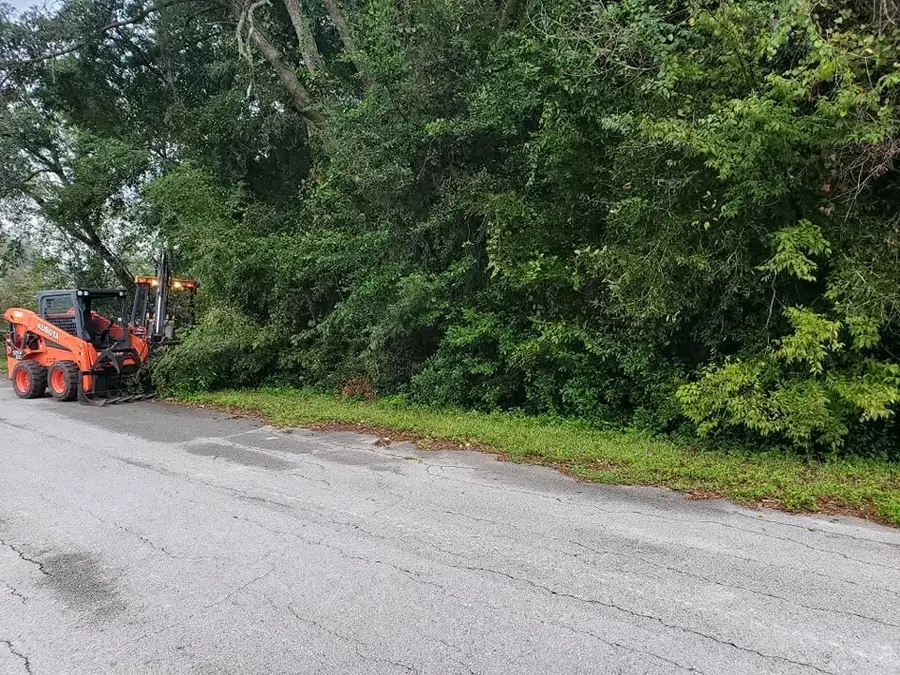
Forestry Mulching in Ocala, FL
Underbrush ground into mulch where it stands. No burn pile, no hauling, and the ground is left protected.
Forestry mulching runs a rotating drum over standing brush and small trees and grinds them where they stand. Nothing gets piled, nothing gets burned, nothing gets trucked away. What is left is a layer of wood chip lying on the ground where the undergrowth used to be.
On the right job it is the cheapest way to take back overgrown land, because you are not paying for the two most expensive parts of traditional clearing — piling and disposal. On the wrong job it is not an option at all, because the material has to actually leave if you are pouring a slab on it.
Forestry mulching
Ground in place, left on the ground
Traditional clearing
Pushed into piles, then burned or hauled
Which one you want: If something is getting built there, you need traditional clearing. If you just want the land usable, walkable and under control, mulching does that for less money and leaves the ground in better shape.
What moves the price on a mulching job
Mulching is priced on machine hours, and hours track how much material passes through the head — not acreage.
Bigger stems mean slower passes. Past a certain diameter it stops being a mulching job.
Usually goes with
Most jobs need more than one
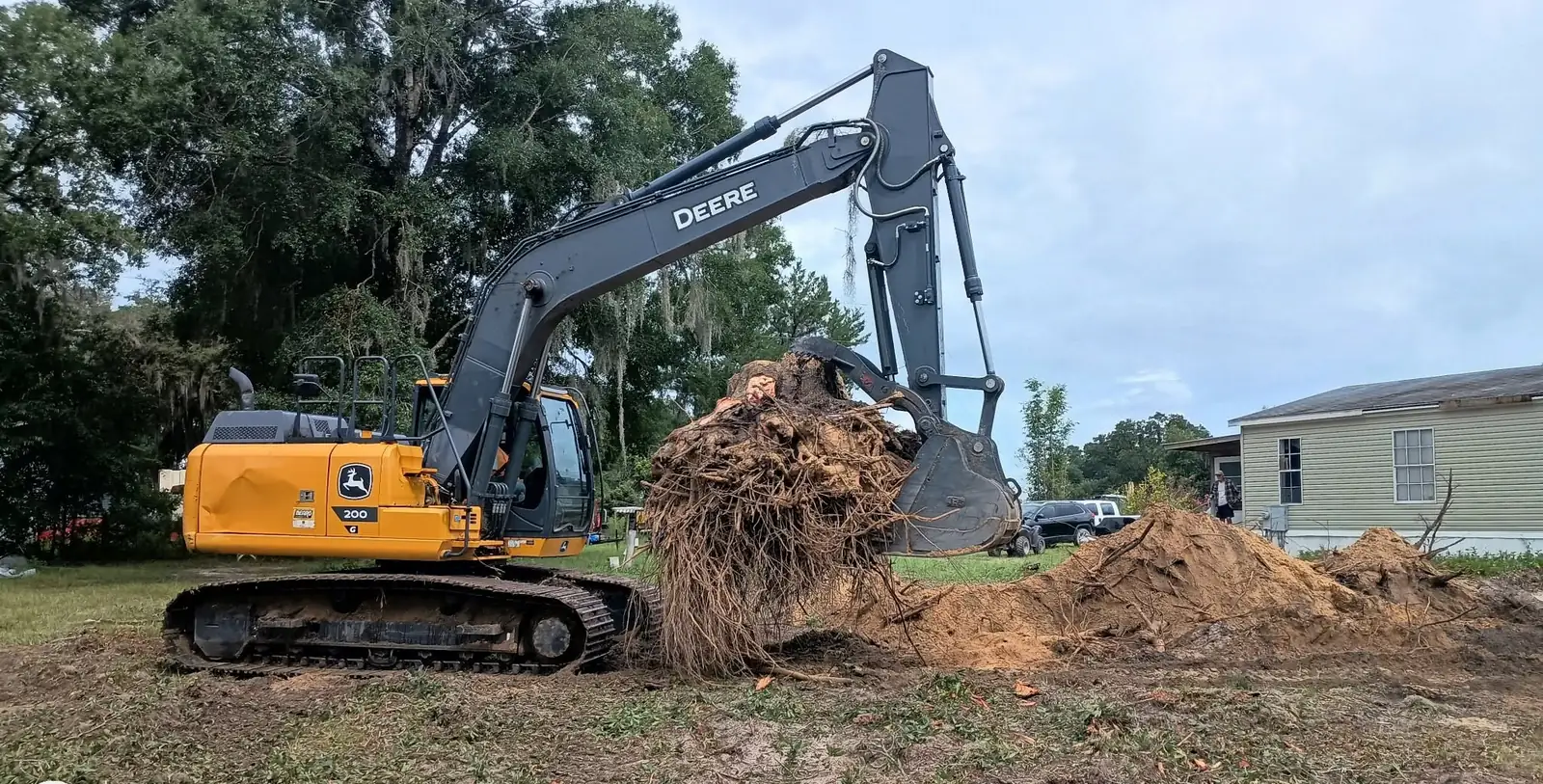
Land Clearing
Wooded lots, overgrown acreage and homesites cleared down to workable ground — brush, palmetto, stumps and all.
Land clearing in Ocala →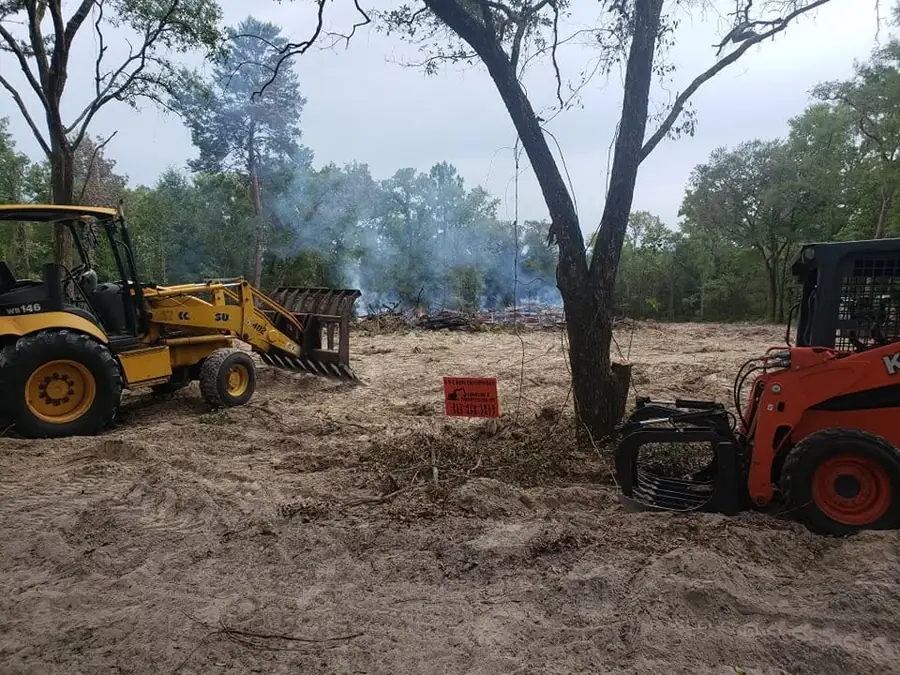
Tree & Brush Removal
Overgrowth, downed timber, fence lines and undergrowth taken out with grapple and mulching heads.
Tree and brush removal in Ocala →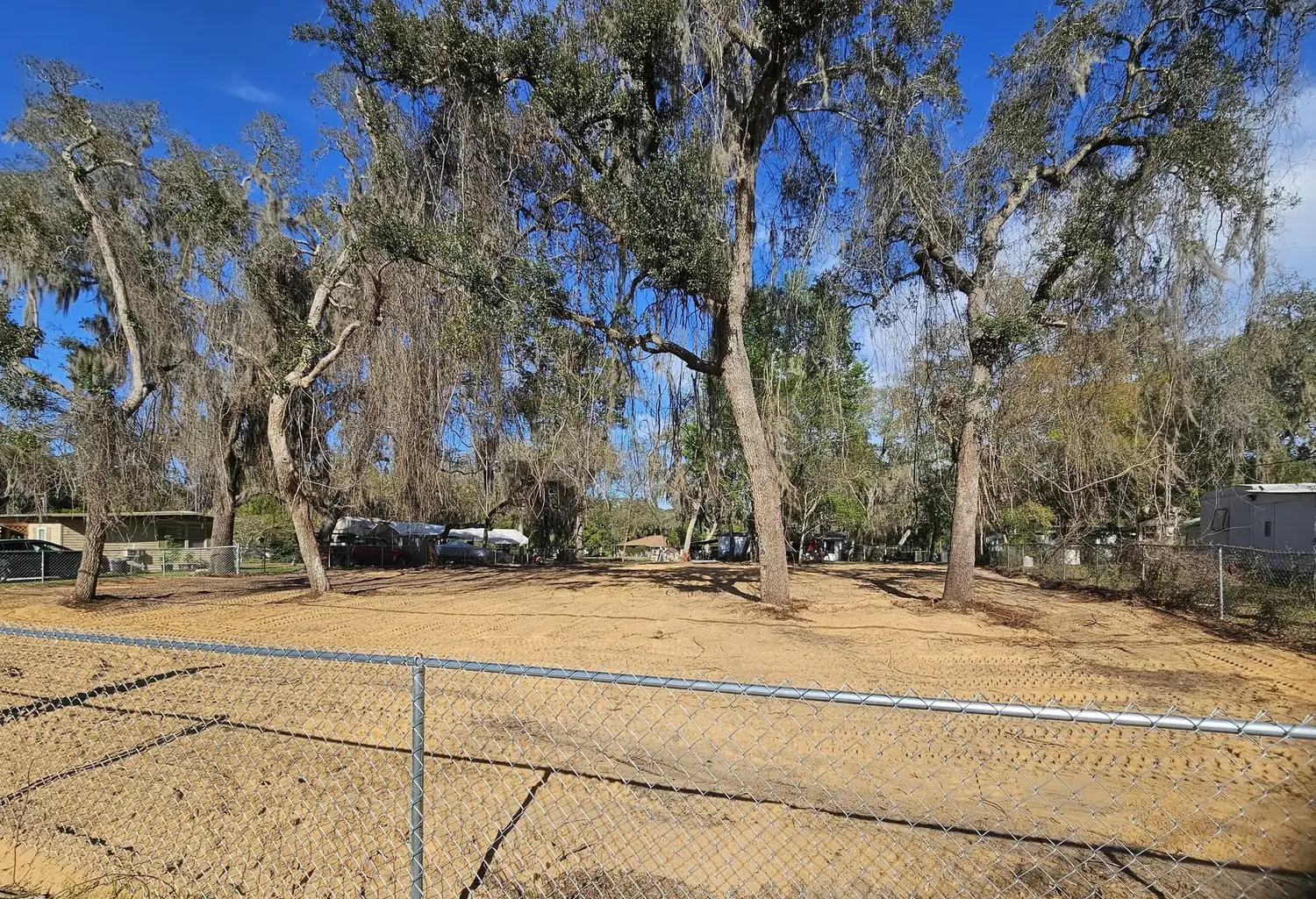
Arenas & Pasture
Arena pads laid flat and draining right, pastures reclaimed, fence lines opened back up.
Riding arena and pasture work in Ocala →Questions we get asked
Forestry Mulching questions
Does the mulch have to be removed afterwards?
Can I plant grass or pasture over mulched ground?
Will what I cleared grow back?
How big a tree can you mulch?
Costs, permits, timing and more: read the full land clearing FAQ →
Where we work
Forestry mulching across Marion County
Free estimates
Get your estimate today
Tell us where the property is and what you need done. We'll call you back and come walk it with you — free, and no obligation either way.